Do I Need a Gun? (And Other Gear Questions).
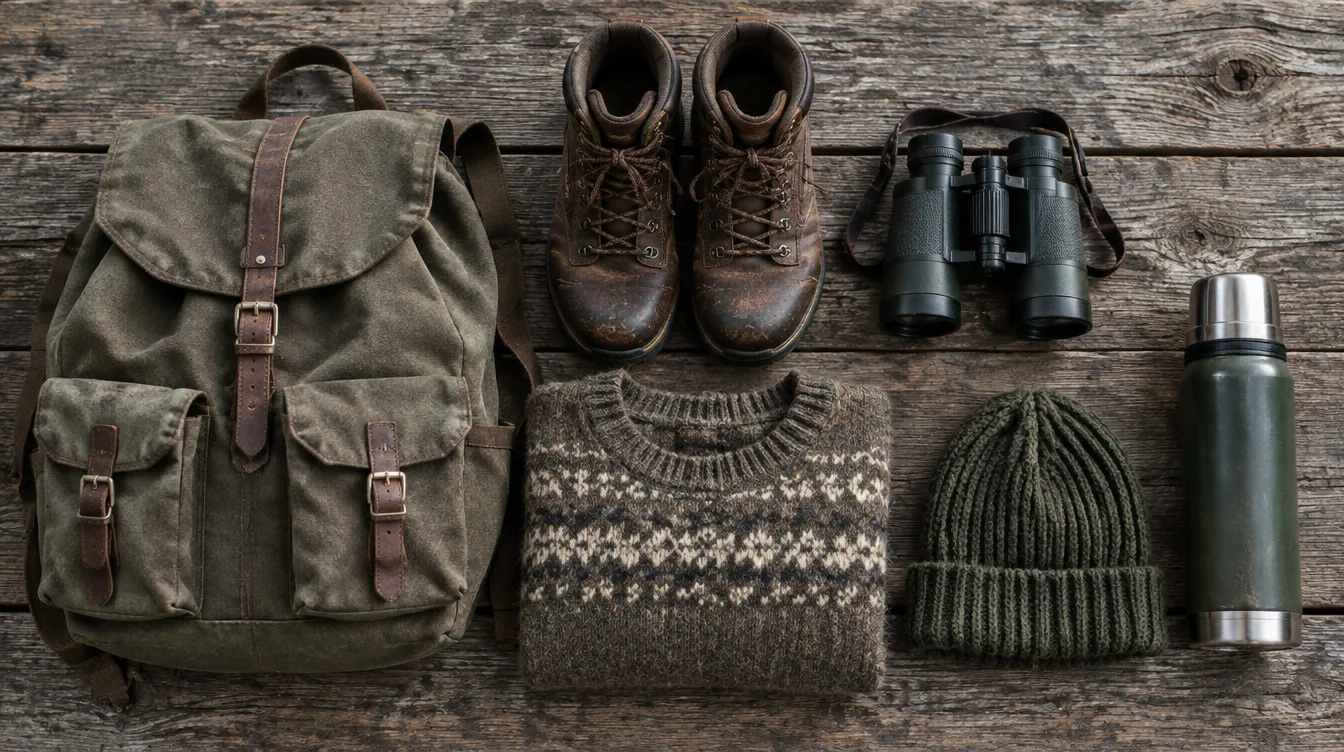
Almost every beginner asks this question first. Usually they ask it quietly: do I need to own a rifle before I hunt? The answer is no. Many Montana outfitters provide a rifle for the hunt. Some can arrange other loaner gear. You can take your first hunt without owning a firearm.
That is worth a moment. The thing you were worried about is not the thing blocking your way.
Why the gear question feels so big
Gear catalogs are built to make you feel behind. Open one and you will find a hundred items you never knew existed. Every one of them has a reason to exist. None of them is a reason to wait.
Most of that gear is made for people who hunt often. They hunt in specific conditions and have years of opinions. You do not have those opinions yet. You will, if you keep at it.
So the worry is real. The barrier is not.
What a guide actually provides
Beginners are rarely told this part plainly. When you book a guided hunt, you are not only buying land access. You are buying the outfitter's equipment, time, and knowledge.
A licensed Montana outfitter can often provide a rifle. Many keep a spare for clients. Some can arrange other items you do not own. Ask when you book, and ask early. Outfitters answer gear questions all season.
Big-game rifles in Montana are usually centerfire rifles. That is the common tool. You do not need to know brands or calibers on your first hunt. The guide will hand you one, show you how it works, and make sure you are comfortable. Which season you carry it in is its own choice — Rifle, Bow, or Muzzleloader? lays out the three.
This is a large part of what you are paying for. The rifle comes with the person who knows how to use it.
What you actually need
The list is short. Mostly it is about staying comfortable. A long day outside in Montana can turn cold and wet quickly.
Boots. Good boots matter more than anything else here. You will be on your feet for hours, on uneven ground. Get a pair that fits and keeps your feet dry.
Layers. Not one heavy coat. Several thin layers you can add or remove. Wool and fleece work well. Cotton does not, because it holds water and stays cold.
A warm hat. Heat leaves your head fast on a cold morning. A plain knit hat is one of the best small things you can own.
Gloves. Thin ones let you still use your hands. You will want them before sunrise.
A small pack. Enough room for water, snacks, a layer, and lunch. A day pack is plenty. You do not need a giant frame pack.
Rain gear. Montana weather changes without much warning. A light waterproof shell takes almost no room.
A good attitude. This one is not for sale. First hunts mean early starts, quiet hours, and patience. Come curious and willing, and you will enjoy it.
That is the whole list. You may already own half of it.
What you can ignore for now
Almost everything else in the catalog. Here is what you do not need on a first hunt, no matter what an ad says.
- A rifle of your own.
- Binoculars. Hunters call them glass. Your guide brings good ones, so you may not need your own.
- Camouflage in a specific pattern. Quiet, neutral colors are fine.
- Calls, decoys, and scent products.
- A knife set for field dressing. Your guide handles that, and will likely show you how.
- A different pair of boots for every kind of ground.
- Anything sold as "essential" that you had never heard of last month.
You can skip all of it. None of it keeps you out of the field.
Why buying everything first is the wrong move
There is a pattern that traps beginners. It goes like this. Buy the gear, feel ready, then book a hunt. That order sounds sensible. It fails almost every time.
Here is why. Until you have hunted, you do not know what you want. You do not know if you run warm or cold. You do not know if your feet hurt at mile three or mile ten. You do not know if you like moving through timber or sitting on a ridge.
So you buy a fortune in gear made for someone else's hunt. Then you spend your first trip learning what you did not need.
Spending a fortune up front does not make you ready. It makes you poorer and no better prepared.
Hunt first instead. Borrow what you can. Buy slowly afterward. Every purchase you make after your first hunt will be smarter, because your own trip told you what you wanted.
One honest note
Not every outfitter provides a rifle. Some do and some do not. Policies differ from one to the next. It is a normal question, so ask it when you call. Nobody will think less of you for asking.