Wild Game Meat: What You'll Do With It
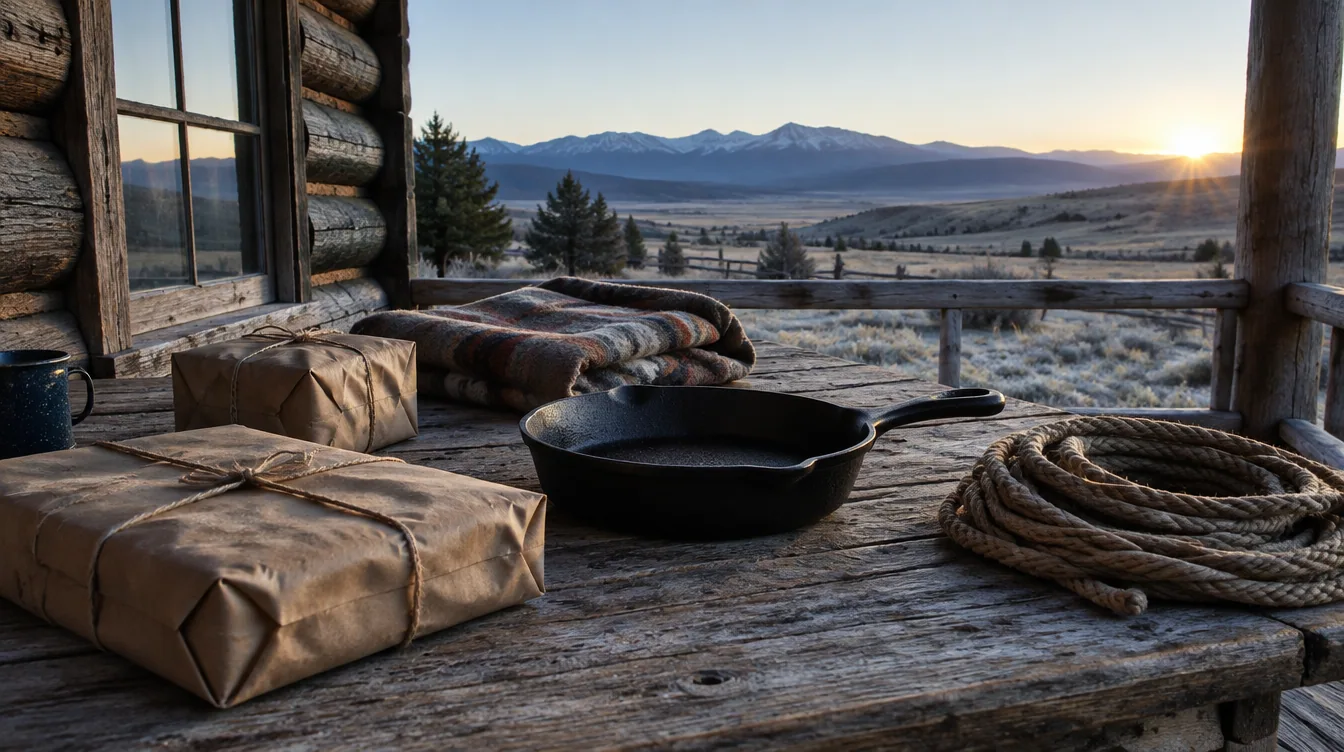
There is a moment when you wonder if hunting is really for someone like you. You are drawn to the idea of meat you know the story of. You are also a little nervous about it.
That nervousness is normal, and it is not a sign you are out of place. Plenty of hunters today did not grow up around it. They came to it the way you are coming to it, curious and unsure.
You do not need to learn any of this — a licensed guide handles it. A licensed Montana outfitter does this every season. They know the animals, the country, and the rules of the land. Your job is to show up, stay close, and pay attention.
For a lot of people, the meat is the whole reason they want this. So let us start with what actually happens to it.
After a successful hunt, the first work is field dressing. That means removing the animal's internal organs quickly, right where it fell. It sounds like more than it is. Doing it promptly is what keeps the meat clean and cool.
If you would like the fuller picture of that day, we walk through it in After the Shot: What Happens Next. Your guide does that part. You can watch, ask questions, or help if you feel like it.
Then comes the care of the meat.
A guided hunt typically includes field care of the animal. Your guide knows how to cool it, protect it, and get it out of the field properly. That is a real skill, and it is a big part of what you are paying for.
The next step is usually the processor. A processor is a butcher who cuts and wraps your meat for you. Most hunters use one. It is convenient, and it is done by people who do it well.
One honest note. Meat processing is typically not included in a guided hunt. It is a separate cost, and worth asking about up front.
Some hunters learn to cut and wrap their own. That can save money, and it can be satisfying. It is also a chore, and it takes practice. You do not have to decide that now. Many people use a processor for years and never think twice about it.
Eventually, the meat goes in the freezer. A deer provides plenty of meat for a household for a good while. How long depends on your family and how often you eat it.
Now the taste, honestly.
Wild game is leaner than store beef. It is not the same thing, and it is not trying to be. It can be cooked beautifully. It can also be cooked badly. A tough cut is often a cooking problem, not a meat problem.
You will learn what you like as you go. Some people love it from the first bite. Others take a season or two. Both are fine.
The principle that holds all of this together is easy to state.
Eat what you kill, and waste nothing. That is the ethic. It is not about trophies or proving anything to anyone. It is about respect for the animal and for the food it becomes.
There is a plain kind of health to it too. The meat is lean, and the animal lived wild. It did not spend its life in a feedlot. You know where it came from, because you were there.
At home, the table is where this really lands.
You might cook the first meal for people you love. Your family may help with the cooking or the planning. Some kids grow up knowing exactly where dinner came from. That is a rare thing now.
And here is the honest bit.
This is work. There are early mornings and cold hands. You have to like the taste, or it will sit in the freezer and bother you. If you find you do not like it, that is worth knowing too. You will have learned something true about yourself.
None of that should stop you from trying. A guide carries the parts that feel heavy. You carry the curiosity. That is enough to start.