Questions First-Timers Ask — Answered Plainly.
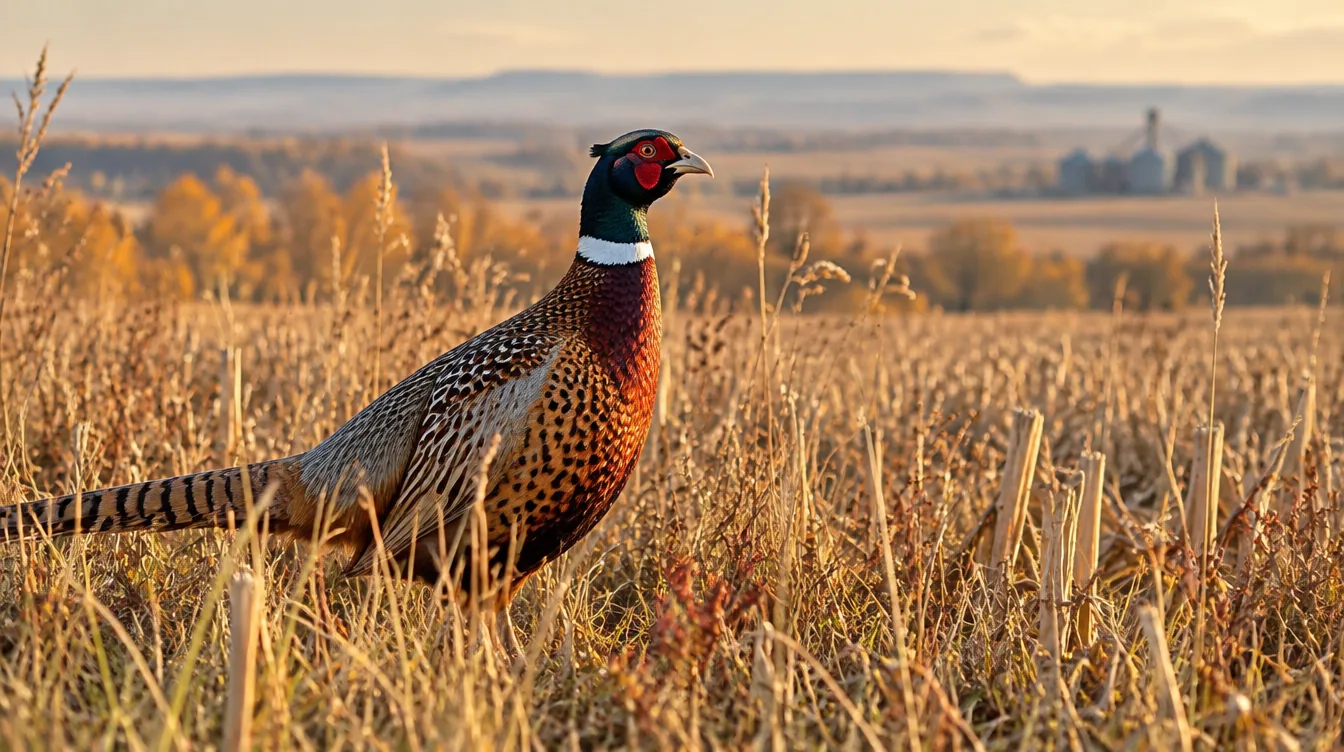
If you have never hunted, you are carrying a quiet list of worries. That is normal. Most people who hunt today once stood exactly where you are, knowing nothing. Here are the questions we hear most, answered honestly and without judgment.
Can I really hunt if I've never hunted before? Yes. Everyone who hunts now hunted for the first time once. No one is born knowing how to read land or follow an animal. A licensed Montana guide is exactly who you hire for this. Their whole job is to take a person with no experience and make the day work. You bring the curiosity. They bring everything else.
Do I need a gun? No. Many Montana outfitters provide a rifle, and they make sure it is sighted in (checked to shoot straight) and suited to you. Some first-timers borrow a rifle from the guide and never buy one. You are not required to own anything to begin. Tell your outfitter you have never handled a firearm; they hear it often, and they plan for it.
Do I need a license? Yes. Hunting in Montana requires a license, and in most cases a tag as well. This is real paperwork, and it matters. The good news is that you do not face it alone. Your outfitter walks you through what you need and when you need it. Some deadlines fall months before the season, so it pays to start early.
What is a "tag"? A tag is your permission to hunt a particular animal in a particular place. Your license is your general permission to hunt. The tag is the specific one for the animal you are after. Some you can buy over the counter. Others you enter a drawing for, hoping your name comes up. Your guide knows the calendar and handles the details with you.
What if I don't get an animal? Here is the honest part. Hunting is not a guarantee. Skilled hunters come home empty sometimes, and that is part of it. What you are really buying is the day itself. The country, the quiet, the walking, and the work of it, with a guide who improves your odds. Most first-timers remember the trip more than the outcome.
Is it safe? Yes, when you are with a licensed guide. Firearms safety is taught and enforced on every hunt. You are shown how to carry, handle, and load a rifle before anything else happens. If you have never held a gun, say so plainly. That is the safest possible way to start.
How much does it cost? A guided hunt is a real expense, and we will not pretend otherwise. Prices vary widely with the animal, the days, and what the outfitter includes. Many packages cover the guide, meals, lodging, and field care. Ask each outfitter exactly what is included before you compare.
How fit do I need to be? There are hunts for every level of fitness. Some are slow walks on gentle ground. Others are steep and long, high up where the air thins. Tell your outfitter the truth about your body and your limits. They match you to a hunt you can actually enjoy. Be honest about what you can do.
I'm not sure I could kill an animal. Most people feel this, and it is not a flaw. It is a sign you are taking it seriously. The meat, and the responsibility of a clean and respectful shot, are the point of hunting. A good guide helps you understand what happens and why. Many people find the feeling changes once they are there. If it does not, that is worth knowing too.
Is it ethical? Hunting in Montana is regulated, licensed, and funded by the people who do it. Money from licenses and tags pays for conservation and wildlife management. Good hunters follow fair-chase rules — the ethics of a clean, respectful hunt. A clean shot, respect for the animal, and no waste. Your guide holds to those standards on every trip.
What if I try it and hate it? Then you tried it, and you can say so honestly. Nothing is wasted. You saw country most people never see. Either way, you have a real answer instead of a nagging question.
Do I need to know someone who hunts? No. Most first-timers do not know a single hunter. That is exactly why guided hunts exist. The guide becomes the person who knows. If you have ever felt hunting was for other people, You Belong Here is written for you.
Do I need to own land, or know a landowner? No. Most guided hunts run on private ranch ground the outfitter has access to, or on public land open to everyone. You do not need your own land or connections. Access is one thing you are hiring when you book a guide.
Can I bring my family or a friend? Often yes. Many outfitters welcome a partner, a parent, or a child who wants to come along. Ask ahead so the guide can plan for it. Some trips suit a companion better than others.
What if I have more questions? There is always one more, and this page cannot cover them all. The fastest way to a real answer is to ask a person who does this every day.
Hunting words, decoded
tag — your permission to hunt one particular animal in one particular place.
license — your general permission to hunt, which the state requires before anything else.
outfitter (or guide) — a licensed professional who takes you hunting and handles the details.
game — the wild animals that hunting laws allow you to hunt.
big game — the larger animals, such as deer, elk, and antelope.
upland bird — birds that live on land, such as pheasant, grouse, and partridge.
draw — a lottery that decides who gets certain tags when more people want them than there are tags to give.
field dressing — cleaning an animal in the field after the shot so the meat stays good.
the rut — the fall mating season, when big game animals are most active and most vocal.
You do not have to learn any of this before you go. That is what a guide is for. Your job is to be curious and to show up. The rest is their trade, and they practice it every season.