The First-Timer's Packing List
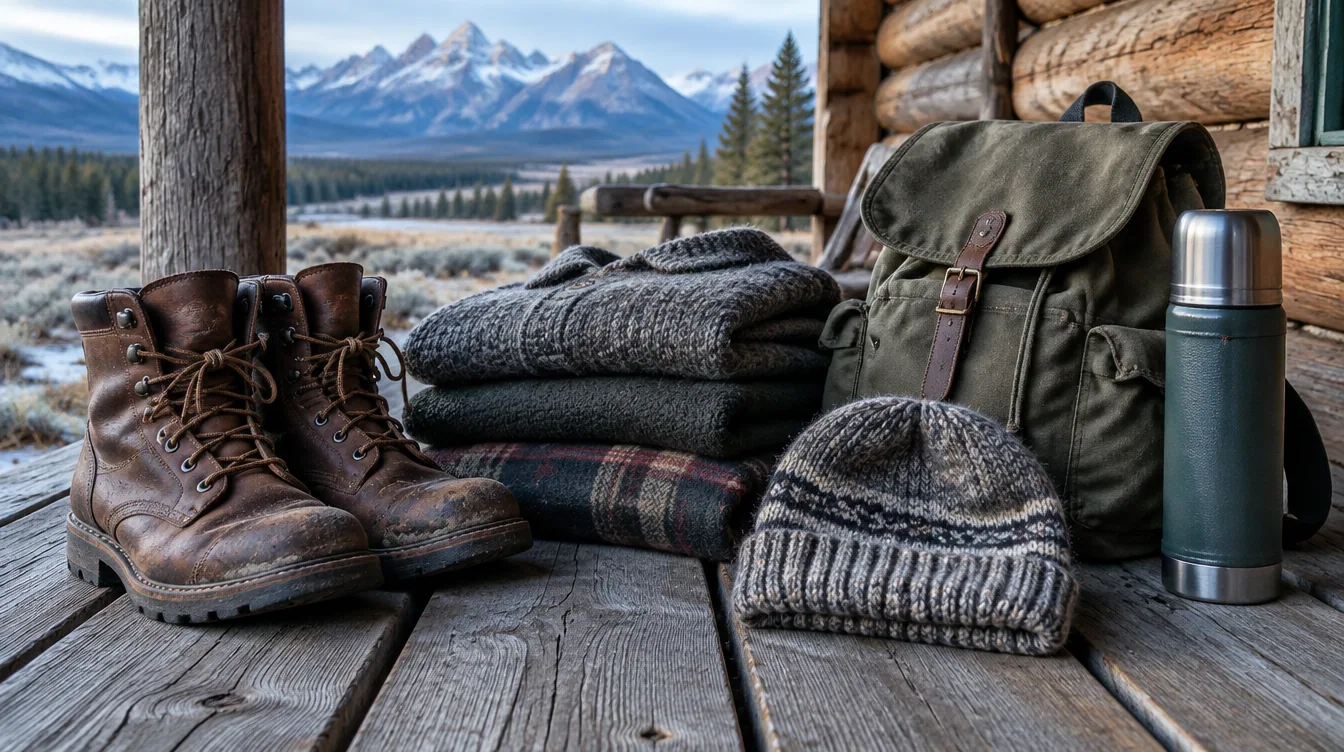
Most people show up to their first hunt carrying twice what they need. The honest truth is that the list is shorter than you fear, and a good portion of it may already be sitting in your closet.
Here is what actually earns its place in your bag. Read it once, then read it again the night before you leave. If you can picture carrying a thing for a full day, it belongs. If you cannot, it stays home.
What to Bring
- Broken-in boots — Boots you have already walked in, so your feet know them. Wet feet end a day faster than cold ones, so pack a dry spare pair of socks too.
- Several thin layers — A few light layers you can add or remove beat one heavy coat. Wool or fleece holds warmth when damp. Cotton does not, so leave the cotton shirts home.
- A warm hat — Most of your heat leaves through your head.
- Thin gloves — Enough to keep your fingers working. Bulky gloves make it hard to do anything delicate.
- A small daypack — Something light to carry your layers, water, and snacks through the day.
- A light rain shell — Weather here changes quickly, and a thin shell packs down to nothing.
- Water and snacks — You will be out for hours. Bring more water than feels necessary.
- Sunglasses — Sun on snow or open country is bright.
- A first-aid item or two — A few bandages and anything you reach for at home.
- Your medication — Whatever you take daily, plus a little extra.
- A camera or your phone — You will want to remember the first one.
What You Can Leave Home
Here is the good news. Most of the gear you have been worrying about stays behind.
- Your own rifle — You do not need to own one to take a first hunt. If you are still wondering how that works, our guide on whether you need a gun walks through the rest of the gear questions.
- Binoculars — Nice to have, not required. Your guide will spot game long before you do.
- Camouflage in a special pattern — Useful, not mandatory. Plain earth tones work fine.
- Calls and decoys — These are an art form. Let your guide handle them.
- A butchering knife set — Your guide handles field dressing, which is the work of turning an animal into meat. You do not need to bring knives.
How to Carry It
A daypack is the whole system. You do not need a frame pack, a duffel, or a bag with a pocket for every occasion. One small pack that sits well on your shoulders carries everything on the list.
Pack the layers you are not wearing at the top, where you can reach them without stopping to dig. Water goes where you can drink without taking the pack off. Snacks go where you will actually find them.
You will carry less than you think. The day is a walk with pauses, not a march. Arrange the pack so it sits light, and you will barely notice it is there.
If You Forget Something
You will probably forget something, and it will rarely matter.
An outfitter keeps the things clients forget most — spare gloves, an extra layer, a lighter, a headlamp. Ask. Nobody keeps score. A forgotten pair of socks is a story, not a failure.
The two things worth a second look are your medication and your boots. Bring both, and the rest can be borrowed or made do.
One Last Thing
You do not need to buy anything new for a first hunt. Read the list, use what you own, and borrow the rest. The gear was never the barrier. Showing up willing to learn is the only thing that matters.
An Honest Note
Outfitters differ. Many Montana outfitters provide a rifle for the hunt, and some can arrange other loaner gear as well. Policies vary from one operation to the next, so ask what is included before you book. A short conversation now saves a scramble later.